Service
To be one of the leaders in boosting the quality of life for individuals with autism and their families.
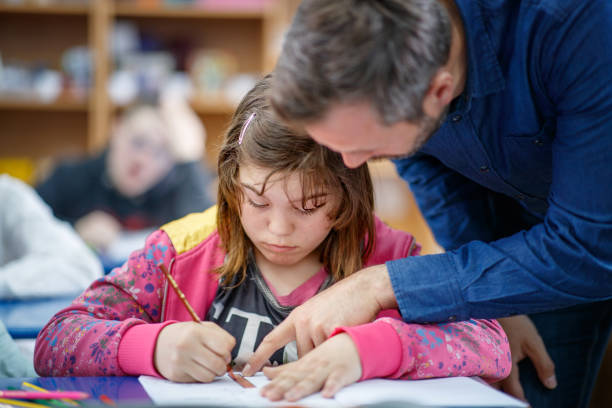
Special Education
We offer tailored special education programs designed to meet the unique learning needs of children with autism. Our skilled educators use individualized strategies to enhance cognitive, social, and academic development, ensuring that each child progresses at their own pace.
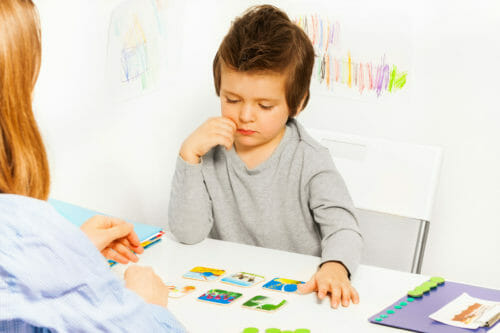
Applied Behavior Analysis (ABA)
Our QABA-certified staff provide specialized ABA therapy, focusing on improving social, communication, and learning skills through positive reinforcement and evidence-based techniques. This personalized approach helps each child reach their fullest potential in a supportive and structured environment.
Occupational Therapy
Our occupational therapy services aim to improve fine motor skills, sensory processing, and daily living activities. Through targeted interventions, we help children develop the skills necessary for greater independence and participation in everyday tasks.

Speech Therapy
Our speech therapists work with children to enhance their communication abilities, addressing challenges in speech, language, and social interactions. We focus on building effective communication skills, essential for successful interactions and personal growth.

Psychological Support
Our team of psychologists provides emotional and behavioral support, helping children and their families navigate the complexities of autism. We offer counselling, assessments, and intervention strategies to address emotional well-being and behavioral challenges.
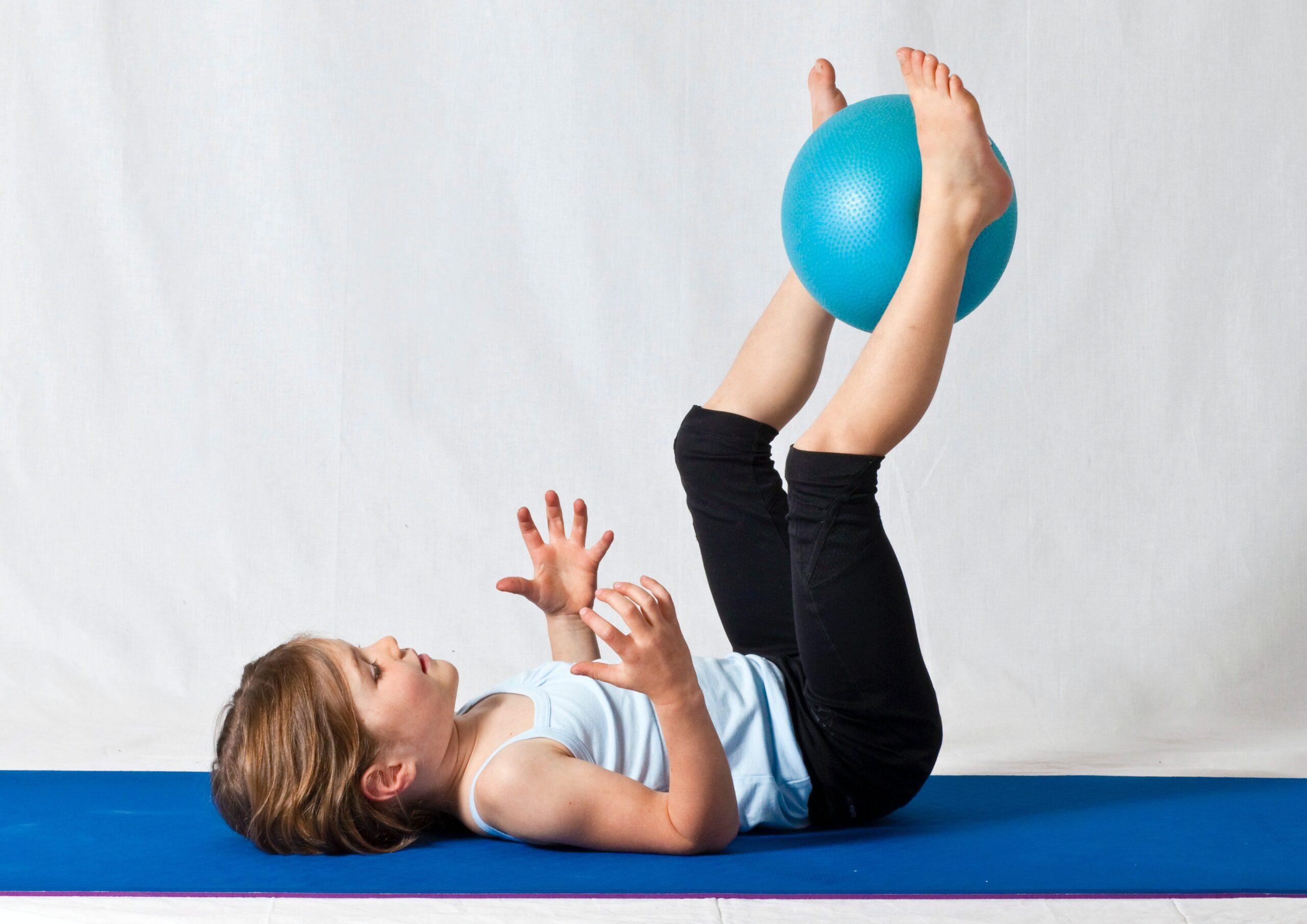
Adaptive Physical Education
Our adaptive physical education program promotes physical fitness and motor skill development, tailored to the abilities of each child. We create a fun and inclusive environment where children can engage in physical activities, improving coordination, strength, and overall well-being.
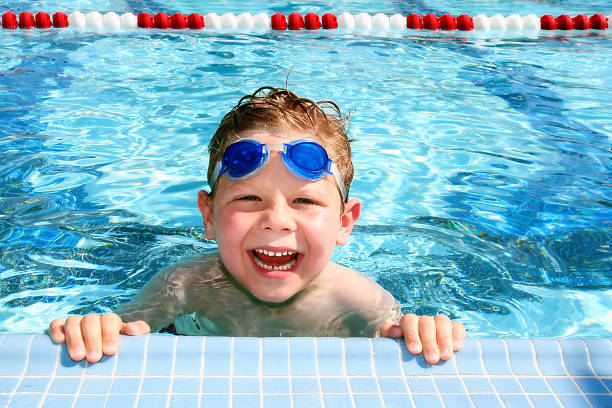
SWIMMING SESSION
Our PE teacher provides swimming sessions for our children, swimming sessions can be highly beneficial for children with autism by addressing sensory, motor, social, and emotional needs in a supportive and enjoyable environment.
- Sensory Integration: Many children with autism have sensory processing challenges. Swimming provides deep pressure sensory input, which can be calming and organizing for their sensory systems.
- Improved Motor Skills: Swimming involves coordination and motor planning, helping to develop both gross and fine motor skills in a supportive environment.
- Social Interaction: Participating in swimming sessions can offer opportunities for social interaction with peers and instructors, promoting social skills development in a structured setting.
- Enhanced Communication: Swimming can facilitate non-verbal communication and body awareness, which are areas where children with autism often experience difficulties.
- Routine and Predictability: The structure of swimming sessions, with clear routines and repetitive movements, can provide a predictable environment that many children with autism find comforting.
- Physical Fitness: Swimming is a great form of exercise that promotes cardiovascular fitness, muscle strength, and overall physical health.
- Emotional Regulation: Engaging in physical activity like swimming can help regulate emotions and reduce anxiety or hyperactivity.
- Enjoyment and Relaxation: Many children with autism enjoy being in water, finding it soothing and enjoyable, which can contribute to overall well-being.
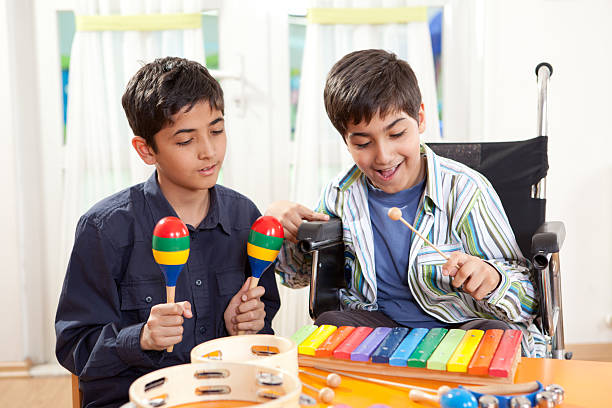
MUSIC THERAPY
Music therapy for autism child can offer a range of benefits, tailored to the specific needs and challenges of individuals on the autism spectrum. Here are some key benefits:
- Communication and Language Skills: Music therapy can help improve communication skills, including verbal and nonverbal communication. It provides a structured and predictable environment where individuals can practice vocalization, articulation, and expressive language. For nonverbal individuals, music can serve as a means of communication through gestures, movements, or sounds.
- Social Skills: Music can be a powerful tool for fostering social interaction. Group music sessions encourage cooperation, turn-taking, and listening skills. It can also provide a shared interest that facilitates connections with peers.
- Emotional Regulation: Music has a profound effect on emotions and can help individuals with autism regulate their emotions. Therapists use music to create calming or stimulating environments based on the individual’s sensory needs and emotional state. Music therapy techniques like rhythmic entrainment and music improvisation can promote relaxation and reduce anxiety.
- Sensory Integration: Autism often involves sensory sensitivities or difficulties. Music sessions can be designed to address sensory needs, whether by providing calming stimuli or helping desensitize children to certain sensory inputs through controlled exposure.
- Motor Skills Development: Music therapy includes activities that promote gross and fine motor skills development. Playing instruments, dancing, and rhythmic movements help improve coordination, motor planning, and motor control. These activities also enhance body awareness and proprioception.
- Cognitive Skills: Music stimulates various areas of the brain involved in memory, attention, and executive functioning. Therapeutic activities like singing familiar songs, learning new rhythms, and improvising melodies can enhance cognitive skills such as memory recall, sequencing, and problem-solving.
- Behavioral Management: Music can serve as a positive reinforcement tool or as a means of redirecting behavior. Engaging in musical activities may reduce anxiety or frustration, leading to fewer challenging behaviors.
- Self-Expression and Creativity: Music therapy encourages individuals with autism to express themselves creatively through music. It provides opportunities for self-expression, improvisation, and exploration of different musical elements. Engaging in musical activities can boost self-esteem, confidence, and a sense of accomplishment.